Clean hands & safe food
Handwashing, safe drinking water and careful food prep — small daily habits that protect every age.
Baymoth promotes simple, affordable habits that help Saint Lucian families care for their health, homes and island from early childhood to adulthood.
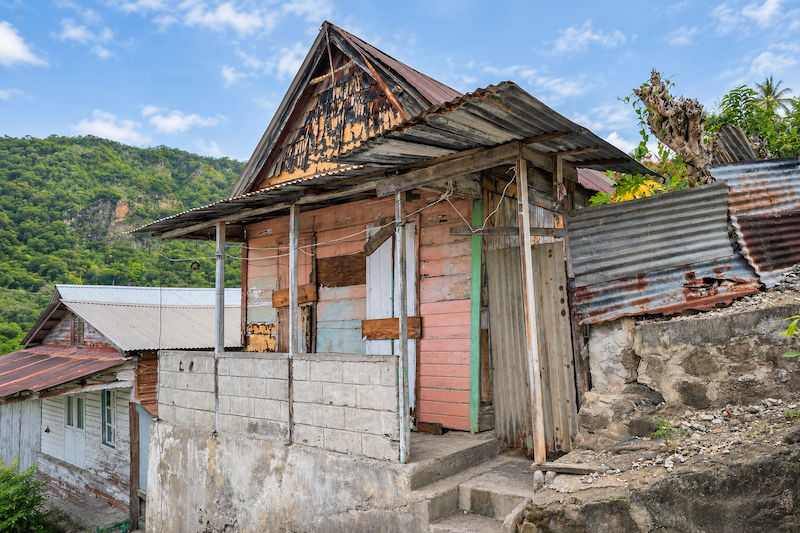
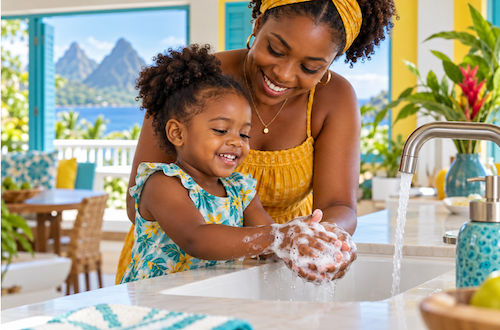
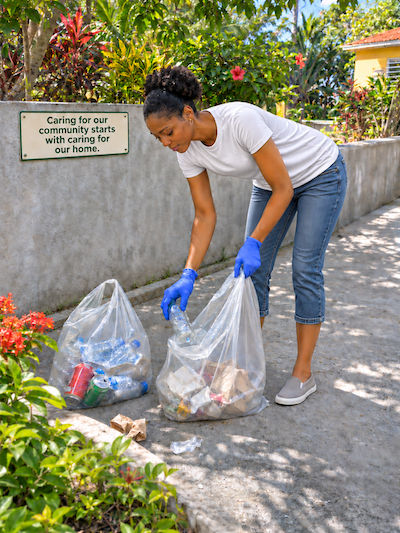
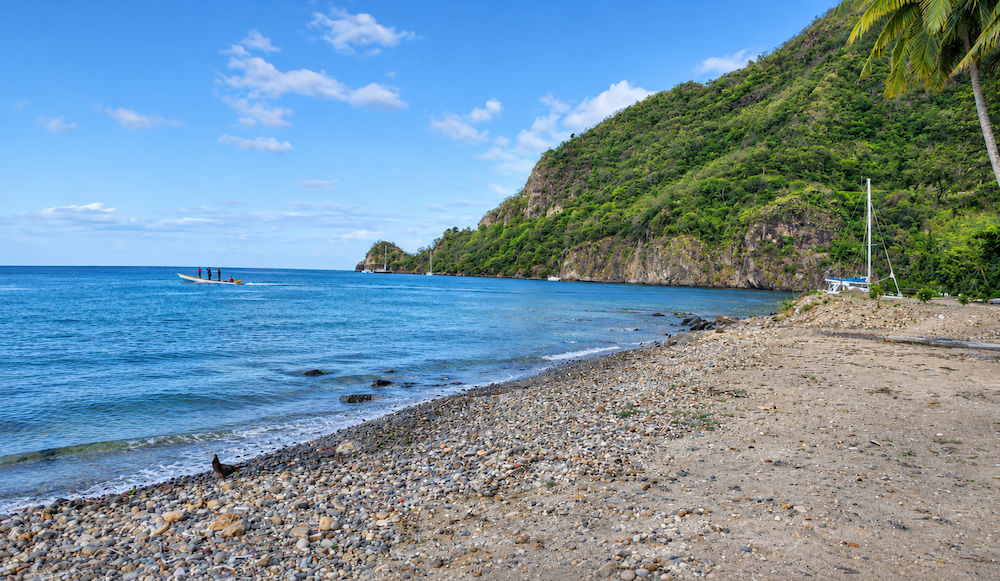
Handwashing, safe drinking water and careful food prep — small daily habits that protect every age.
Kitchens, toilets, rubbish and yards kept tidy so pests stay away and standing water does not collect.
No littering, no illegal dumping — leave every place clean, and join safe community cleanups when you can.
From early childhood to adulthood, everyone can learn and model daily practices that keep our communities clean.
A cleaner Saint Lucia begins with what each of us does at home, on the road and in shared spaces. Take responsibility for your own waste and leave every place clean after using it.
Our Eco-Health section will share short illustrated lessons, demonstrations and printable reminders. Each lesson will explain one practice and offer a simple action for the week.
Caregivers can demonstrate habits to young children; schools and youth groups can practise them together; adults can model them at home and work. Older people and anyone needing assistance should receive respectful, practical support.
Possible community activities include handwashing demonstrations, household hygiene lessons and neighbourhood cleanups. Choiseul and Soufrière are possible starting communities, subject to local interest. English content can be supported by Saint Lucian Kwéyòl audio reviewed by local speakers.
Choose one habit, practise it daily and involve the household. Start with a stocked handwashing point, a covered rubbish bin or a yard check for standing water. Share what helped and identify any supplies or services still needed.
Seek consent before taking or publishing participant photos, including appropriate consent for children. Use anonymous feedback to improve lessons. Have a qualified local health educator review health messages before publication.
Short reads on pesticides, food systems and community health. Each opens on the publisher’s site.

Global pesticide targets often miss tropical agriculture. Research from Costa Rica shows how real national records paint a sharper picture of use and hazard.
Read article →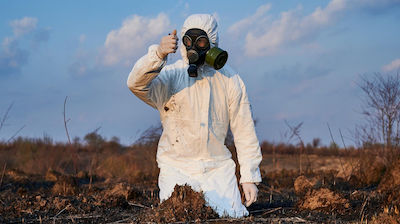
A clear guide to how pesticides reach food, air and water — and what families can do to reduce everyday exposure.
Read article →WASH means water, sanitation and hygiene. UNICEF and WHO guidance informs this independent initiative; no UN endorsement or partnership is implied. General education does not replace personal medical advice. Images are AI generated illustrations with fictional people, not photographs of actual residents or Baymoth activities.
Message us, call us, or leave your number below. We reply the same day.
Monday to Saturday, 8 am to 6pm