Health, Hygiene & a Cleaner Saint Lucia

Health, hygiene and a cleaner Saint Lucia.

Baymoth promotes simple, affordable habits that help Saint Lucian families care for their health, homes and island from early childhood to adulthood.
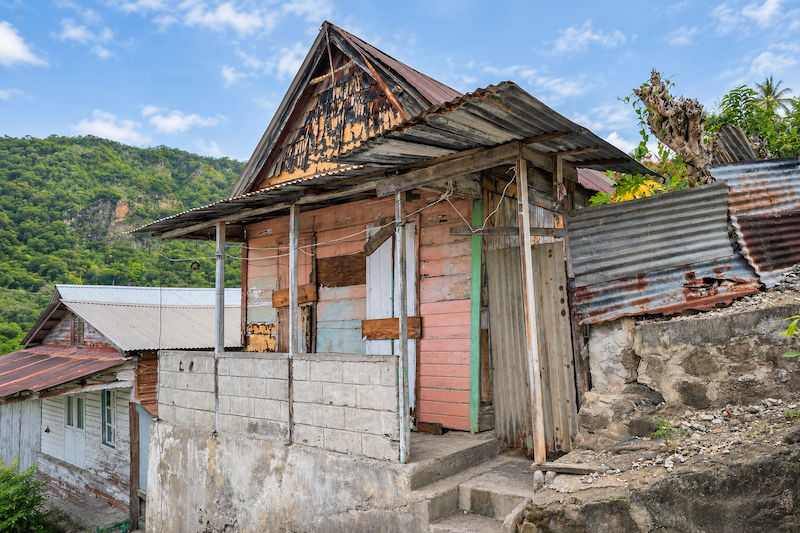
Wooden house on a green hillside in Saint Lucia
Cleaner communities
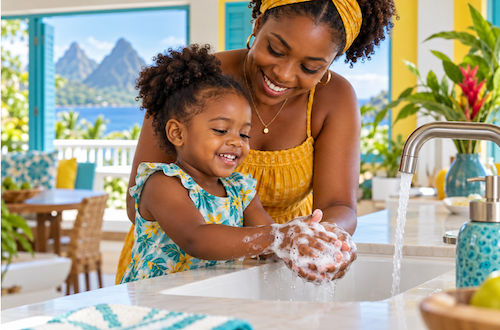
Family handwashing at home
Clean hands
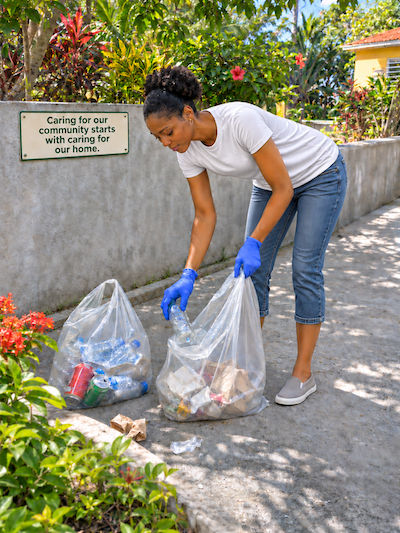
Woman sorting recyclables during a community cleanup in Saint Lucia
Clean homes
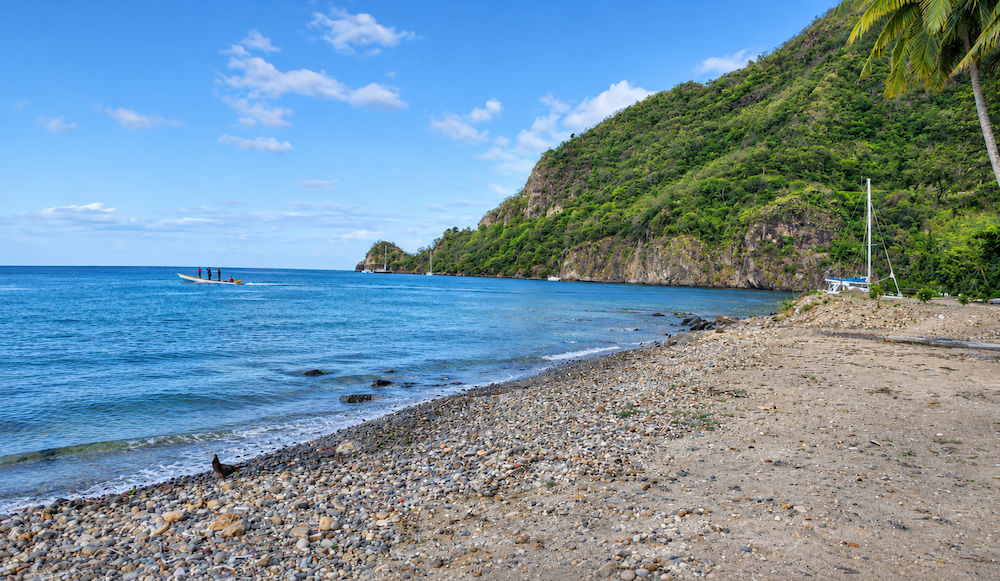
Peaceful Caribbean shoreline shared with care in Saint Lucia
Shared spaces

Clean hands & safe food

Handwashing, safe drinking water and careful food prep — small daily habits that protect every age.

Clean homes

Kitchens, toilets, rubbish and yards kept tidy so pests stay away and standing water does not collect.

Shared responsibility

No littering, no illegal dumping — leave every place clean, and join safe community cleanups when you can.

A practical guide for everyday life.

From early childhood to adulthood, everyone can learn and model daily practices that keep our communities clean.

Family handwashing at home. AI generated illustration of Saint Lucian community life.
Family handwashing at home

Clean hands, safe water and food

  • Wash hands with soap and water before preparing food, eating or feeding someone; after using the toilet, helping a child with toileting, coughing or sneezing; and whenever hands are visibly dirty. Keep soap and water accessible. [1, 2]
  • Use safe drinking water. Store it in clean, covered containers and avoid dipping hands or dirty utensils into it. Follow local advice during water interruptions or contamination alerts. [1]
  • Keep food preparation areas clean, separate raw and cooked foods, cook thoroughly and store food at safe temperatures. Use safe water and ingredients. [3]

Personal care at every age

  • Keep washing items clean, brush teeth twice daily with fluoride toothpaste, and help young children with hygiene. Support menstrual care with accurate information, privacy, suitable products and safe disposal. Encourage varied local foods, enjoyable movement and regular rest. [1, 4]
  • Teach through example, without blame. When water, soap or suitable facilities are missing, help families find practical support.
Woman sorting recyclables during a community cleanup in Saint Lucia
Caring for our community starts with caring for our home.

Clean homes and surroundings

  • Keep kitchens, bathrooms and toilets clean. Wipe spills promptly, clean frequently touched and visibly soiled surfaces, and keep household cleaning products out of children’s reach.
  • Use covered rubbish bins, bag waste securely and put it out according to collection arrangements. Remove food scraps and keep food covered to discourage pests.
  • Keep yards tidy. Empty water from buckets, flowerpot saucers and discarded containers; cover stored water and arrange proper disposal of old tyres. Clear accessible drains safely and report larger blockages. [5]
  • Dispose of children’s faeces in a toilet and wash hands after toileting or changing nappies. Place used nappies and menstrual products in appropriate waste bins. [1]

Everyone has a responsibility

A cleaner Saint Lucia begins with what each of us does at home, on the road and in shared spaces. Take responsibility for your own waste and leave every place clean after using it.

  • Avoid littering: never drop wrappers, bottles, cigarette ends or other waste on roads, beaches, rivers or open land. If no bin is available, carry your rubbish home.
  • Avoid illegal dumping and burning rubbish. Use approved disposal arrangements and bulk collection services for large items. [5]
  • Avoid loitering in ways that block entrances, pavements or public facilities, disturb others or leave rubbish behind. Keep gathering places welcoming, accessible and clean.
  • Join safe community cleanups. Wear gloves and suitable footwear; leave needles, unknown chemicals and hazardous waste to trained personnel. Report dumping, overflowing bins and unsafe waste to the relevant local authority.
Peaceful Caribbean shoreline shared with care in Saint Lucia
Peaceful Caribbean shoreline, shared with care

Community learning on Baymoth.com

Our Eco-Health section will share short illustrated lessons, demonstrations and printable reminders. Each lesson will explain one practice and offer a simple action for the week.

Caregivers can demonstrate habits to young children; schools and youth groups can practise them together; adults can model them at home and work. Older people and anyone needing assistance should receive respectful, practical support.

Possible community activities include handwashing demonstrations, household hygiene lessons and neighbourhood cleanups. Choiseul and Soufrière are possible starting communities, subject to local interest. English content can be supported by Saint Lucian Kwéyòl audio reviewed by local speakers.

One small action each week

Choose one habit, practise it daily and involve the household. Start with a stocked handwashing point, a covered rubbish bin or a yard check for standing water. Share what helped and identify any supplies or services still needed.

Seek consent before taking or publishing participant photos, including appropriate consent for children. Use anonymous feedback to improve lessons. Have a qualified local health educator review health messages before publication.

Guidance and photo credits

WASH means water, sanitation and hygiene. UNICEF and WHO guidance informs this independent initiative; no UN endorsement or partnership is implied. General education does not replace personal medical advice. Images are AI generated illustrations with fictional people, not photographs of actual residents or Baymoth activities.

For more information.

Message us, call us, or leave your number below. We reply the same day.

WhatsApp or call
+1 758 baymoth
Email
baymothstlucia@gmail.com
Open

Monday to Saturday, 8 am to 6pm

Or leave your number. We'll call you.